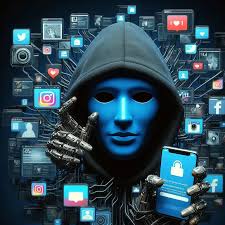
Imagine this: your phone rings. The caller ID shows a legitimate-looking government number, perhaps from the Narcotics Control Bureau (NCB), the Central Bureau of Investigation (CBI), or even the Crime Branch. A stern, authoritative voice on the other end informs you that a parcel addressed to you has been intercepted. It contains drugs, illegal passports, or blood-stained clothes.
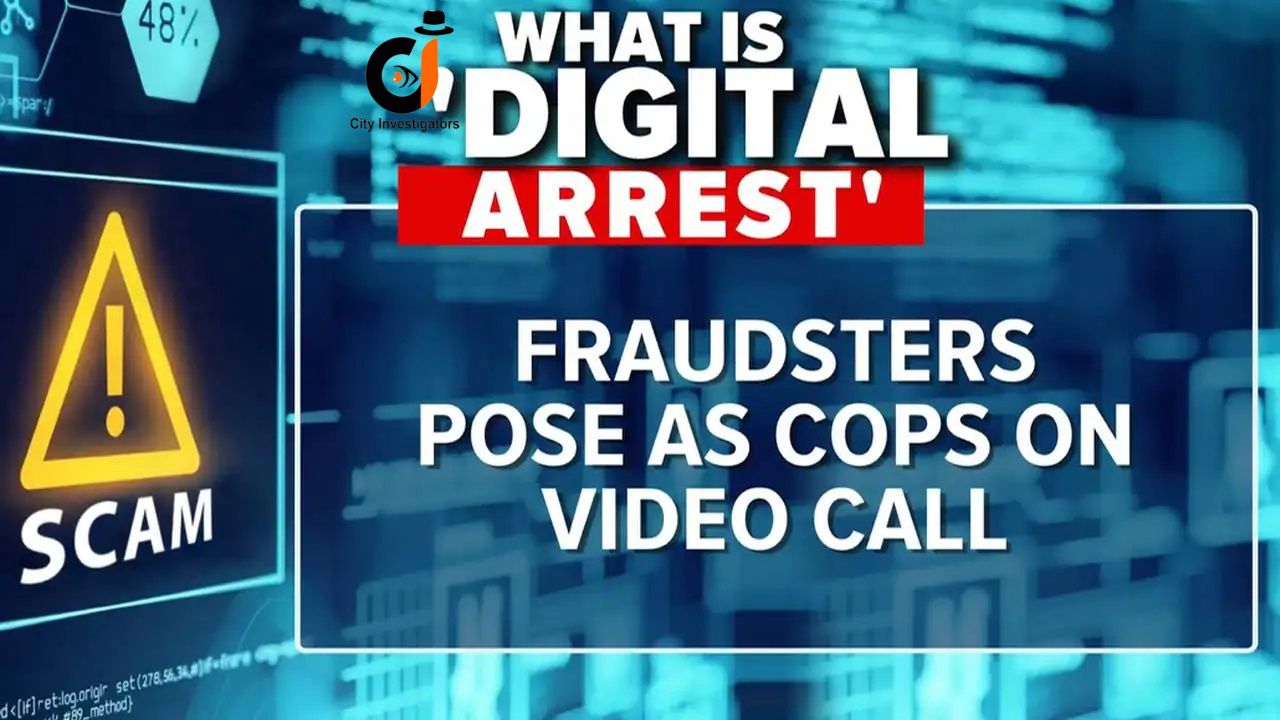
You panic. You insist it’s a mistake. But they have your Aadhaar number, your address, and other personal details. They then declare you a suspect in a serious national security case. To “prove your cooperation” and avoid immediate physical arrest, they place you under “Digital Arrest.”
This is not a scene from a cyber-thriller. This is a sophisticated and terrifying scam that has swindled hard-working Indians out of hundreds of crores of rupees. Victims are psychologically tortured into isolation and then blackmailed into emptying their bank accounts.
What Exactly is a “Digital Arrest”?
A “Digital Arrest” is a psychological warfare tactic used by cybercriminals. In this scam, the fraudster, posing as a law enforcement official, convinces the victim that they are under investigation for a serious crime.
The “arrest” part involves ordering the victim to:
-
Remain visible on a video call (often on Skype or Zoom) 24/7 until the “investigation” is complete.
-
Isolate themselves completely – not speak to family, friends, or real police.
-
Follow instructions meticulously to “prove their innocence.”
This constant surveillance creates a state of extreme fear, sleep deprivation, and compliance. The victim, terrified of being publicly shamed or arrested, becomes a puppet in the hands of the scammer.
How The Scam Unfolds: A Step-by-Step Breakdown
-
The Initial Bait: The victim receives a call from a spoofed number that looks official (e.g., +91-11-XXX-XXXX). The caller claims to be an officer from a central agency.
-
Creating Panic: They present fabricated evidence—a parcel with illegal items, a car registered in your name involved in a crime, or a cloned SIM card used for illegal activities.
-
Establishing Legitimacy: To gain trust, they might send a PDF of a fake arrest warrant, a lookalike government notice with official logos, or even connect a video call where someone is dressed as a police officer.
-
The Digital Arrest Order: The victim is told that to avoid the “shame” of a physical arrest at their home or office, they must agree to be digitally arrested. They are ordered to stay on a video call and are forbidden from contacting anyone.
-
The Financial Demand: Under the guise of “verifying financial transactions” or “securing bail funds,” the scammer instructs the victim to transfer all their money to a designated “government account” or a UPI ID. Sometimes, they force the victim to take loans online.
-
The Disappearance: Once the money is transferred, the scammer cuts contact. The victim, often after hours or days of trauma, realizes they have been duped, financially drained, and emotionally shattered.
How to Protect Yourself: Red Flags and Prevention
The key to avoiding this scam is recognizing the red flags. No legitimate government agency operates in this manner.
-
Real Police Don’t Call to Warn You: Law enforcement does not call to inform you of an arrest warrant or an investigation. They certainly won’t offer to settle it over the phone or video call.
-
They Will Never Ask for Money: No genuine CBI, NCB, or police officer will ever ask you to transfer money to a personal UPI ID or a private bank account for “verification” or “bail.”
-
Fear is Their Weapon: Scammers use urgency, threats, and panic to shut down your logical thinking. If you feel terrified and pressured, it’s a SCAM. STOP. BREATHE. HANG UP.
-
Verify Independently: If you have even a sliver of doubt, end the call. Then, independently look up the official contact number of the mentioned agency (from their official website) and call them to verify the claim. Do not use contact details provided by the caller.
-
Never Share Personal or Financial Details: Never share screens of your banking apps, OTPs, passwords, or Aadhaar details over a call.
-
Talk to Someone: This is the most crucial step. Scammers demand isolation. Break their command. Immediately call a family member, a friend, or your local police station and tell them what is happening.
What Should You Do If You’ve Been Targeted?
-
IMMEDIATELY DISCONNECT: Hang up the call and stop all video communication.
-
DO NOT TRANSFER ANY MONEY.
-
CONTACT YOUR BANK: If you’ve shared bank details, inform your bank immediately to freeze your accounts and stop transactions.
-
FILE COMPLAINT: Report the incident to the Cyber Crime Cell without delay. You can call the national helpline 1930 or file a complaint on the www.cybercrime.gov.in portal.
How Can a Detective Agency Like “City Investigators” in Lucknow Help?
While the primary action must always be to report to the official cyber police, reputable private detective agencies like City Investigators can play a vital supportive and investigative role for victims in Lucknow and across India.
Here’s what they can do:
-
Victim Counseling and Guidance: The first need is emotional support and clear guidance. City Investigators can act as a calm, professional first point of contact, guiding the victim on the immediate steps to take, which can prevent further financial loss.
-
Cyber Forensics Investigation: They can assist in investigating the digital trail left by the scammers. This includes:
-
Call Detail Analysis: Tracing the origin of the spoofed calls (though this is complex).
-
UPI/Transaction Tracing: Working to track the flow of funds from the victim’s account to the scammer’s mule accounts. While recovering money is extremely difficult, mapping the path can provide crucial evidence.
-
Digital Evidence Collection: Securing and preserving evidence like call recordings, screenshots of chats, video call logs, and UPI transaction IDs in a forensically sound manner for the police.
-
-
Liaison with Law Enforcement: Navigating the official police complaint process can be daunting for a traumatized victim. Agencies like City Investigators can act on the victim’s behalf, liaising with the Cyber Crime Cell to ensure the complaint is filed correctly and all necessary evidence is submitted, potentially speeding up the official investigation.
-
Family Awareness Programs: They can conduct workshops and seminars for residential societies and businesses in Lucknow to educate the public about such scams, teaching them how to identify red flags and react appropriately.
Disclaimer: It is critical to understand that a private detective agency cannot file an FIR or make arrests. Their role is complementary to the official police investigation, providing expertise and support that can be invaluable to victims feeling lost and vulnerable.
Final Thought: In the digital age, our greatest asset is awareness. Share this information with your family, especially with elders who might be more vulnerable. Remember, no government official will ever threaten you or demand money over a phone call. Stay vigilant, stay informed, and stay safe.
If you are in Lucknow and need assistance after being targeted by a scam, reaching out to a professional detective agency in Lucknow, like City Investigators, for guidance can be your first step toward securing yourself and aiding the official investigation.